The information on this website is general in nature and does not take into account your objectives, financial situation, or needs. Consider seeking personal advice from a licensed adviser before acting on any information.
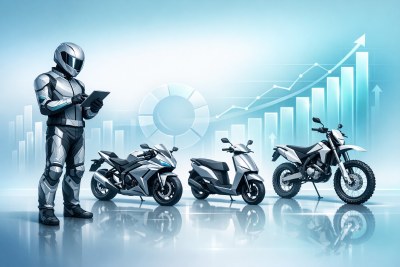
Industry reporting on the January to September data shows 68,304 motorcycles and off-highway vehicles were recorded across FCAI-audited brands, up 6.7 per cent on the same period in 2025. Off-road motorcycles did the heavy lifting, rising 17.1 per cent to 30,845 units. Road motorcycles were effectively flat at 24,163 units, scooters improved 4.3 per cent to 3,794 units and off-highway vehicles declined 3.3 per cent to 9,502 units.
The finance takeaway is not simply that more Australians are buying bikes. It is that the market mix has changed. An off-road-led increase may include junior bikes, fun bikes, trail machinery and motocross models, many of which can sit in different price brackets and ownership patterns from commuter or touring motorcycles. Some buyers may be paying cash for lower-cost recreational machines, while others may be weighing secured or unsecured lending for a larger purchase. Either way, the headline sales result does not say what individual borrowers are paying in interest, fees or repayments.
That makes comparison discipline important. A rider budgeting for a recreational bike may need to allow for trailer transport, protective gear, servicing intervals, club or park access and storage. A scooter buyer may focus more on registration, urban parking, fuel use and commuting reliability. A road-bike buyer may be more sensitive to comprehensive insurance, tyre costs and longer-distance maintenance. Running several repayment scenarios with a bike loan calculator can help illustrate how different loan amounts, rates and terms change monthly commitments, while still treating the result as an estimate rather than an offer or approval.
The flat road-bike result is also a reminder that market growth does not automatically mean looser lending conditions or cheaper credit. Lenders can still assess income, expenses, credit history, deposit, loan structure and the age or type of motorcycle differently. Borrowers comparing motorcycle finance options should look beyond the advertised rate and review comparison rates, fees, early repayment rules and the total amount payable over the full term. The basics of motorbike loan interest rates and comparison rates remain especially relevant when sales momentum is strongest in one segment but household budgets are still under pressure.
For the final quarter, the key question is whether off-road demand continues to carry the market or whether road motorcycles and scooters gather more momentum. Until fuller year-end figures are available, the prudent reading is balanced: the motorcycle market has improved, but buyers still need to build their finance decisions around their own budget assumptions, the full ownership cost and the specific bike they are considering.
Published:Wednesday, 28th Oct 2026
Author: Paige Estritori
Please Note: We do not endorse any specific products or companies. Some content is sourced from third parties, including press releases, and may not be independently verified for accuracy or completeness.
Rate this article
0 Comments
No comments yet. Be the first to share your thoughts.